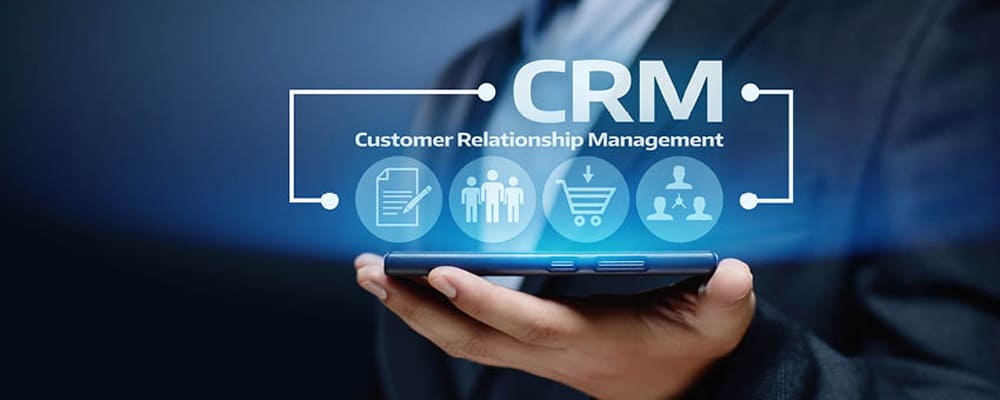
Why Custom CRM Software Is a Game-Changer for Small Business Growth
In today’s digital-first economy, small businesses face fierce competition and rapidly changing customer expectations. To keep pace, many are turning to custom CRM software—a solution that not only centralizes customer data but adapts perfectly to unique business needs. Unlike off-the-shelf CRMs, a custom CRM can transform your sales, support, and marketing operations without forcing you to change how you do business.
In this blog, we’ll explore the top benefits of custom CRM software for small businesses, and why investing in one could be the smartest move for long-term growth.
Tailored to Your Business Model
Every business operates differently, especially small ones with niche services or workflows. A custom CRM system is built around your processes—not the other way around. Whether you run a real estate firm, a dental clinic, or a boutique agency, the CRM can reflect your unique pipeline, client touchpoints, and follow-up patterns.
“With CRM development services, small businesses gain flexibility that cookie-cutter tools just can’t provide.”
Streamlined Workflow Automation
Manual data entry, lead tracking, and customer follow-ups can drain time and cause errors. A custom-built CRM automates repetitive tasks like sending emails, assigning leads, and updating statuses. This means your team spends more time closing deals, not juggling spreadsheets.
Automations can include:
- New lead routing
- Meeting scheduling
- Follow-up reminders
- Post-sale task assignment
Real-Time Analytics for Smarter Decisions
Data is the new oil—but only if you can harness it. With custom CRM software, your dashboard only shows the KPIs that matter to your business. Want to track regional sales, seasonal conversions, or customer lifetime value? Your CRM can surface this in real-time.
Unlike generic CRMs, there’s no clutter—just insights built for your business.
Enhanced Data Security & Ownership
When using third-party CRMs, your customer data lives on someone else’s servers—often under unclear terms. With custom CRM development, you decide where and how data is stored, helping meet regulatory needs like GDPR or HIPAA, if relevant.
This gives small businesses a much higher degree of data sovereignty, privacy control, and compliance confidence.
Integration With Your Existing Tools
From email platforms to accounting software and marketing tools, your CRM should play well with others. A custom CRM system can be integrated with:
- Mailchimp or SendGrid for campaigns
- QuickBooks or Zoho Books for billing
- Slack or Teams for communication
- Google Calendar or Outlook
This creates a unified tech ecosystem that saves time and improves accuracy.
Better ROI Over Time
While off-the-shelf CRM tools may seem affordable upfront, hidden costs stack up: feature upgrades, user limits, and training fees. In contrast, custom CRM software offers long-term ROI through:
- Lower recurring costs
- No per-user licensing fees
- Customizable growth as your business expands
You’re not just renting software—you own a tool that evolves with your needs.
Improved Lead Management & Conversion
Small businesses often lose leads due to poor tracking or inconsistent communication. A custom CRM for small business ensures every lead is logged, nurtured, and followed up on time.
Features like visual sales funnels, deal scoring, and custom notifications boost conversion rates by keeping teams on track.
Role-Based Dashboards for Teams
In a small business, roles often overlap—but data access shouldn't. With a custom CRM, you can create dashboards and permissions based on job roles:
- Sales reps see leads and opportunities
- Managers see analytics and forecasts
- Admins handle backend tasks
This reduces confusion and improves focus across departments.
Scalable as You Grow
Whether you’re adding new products, entering new markets, or expanding your team, a custom CRM can scale up seamlessly. Need to add new pipelines? Track customer referrals? Enable multi-language support? All of that is possible without switching systems.
This level of scalability helps future-proof your tech investment.
Deep Understanding of Customer Behavior
Your CRM isn't just a database—it’s a window into customer needs. With tailored reports and contact timelines, you can better understand:
- Why customers buy
- When they churn
- Which touchpoints convert best
This helps craft more personalized, data-driven marketing and service strategies.
Is Custom CRM Software Right for You?
If your business has outgrown Excel sheets or feels constrained by rigid CRMs, a custom solution might be the answer. Whether you work in B2B services, healthcare, education, or real estate, you can benefit from a system built to fit your business, not fight it.
Final Thoughts
A custom CRM software solution isn’t just a digital tool—it’s a business enabler. By choosing CRM development services tailored to your needs, you’ll unlock better performance, smarter decisions, and long-term customer loyalty.
If you’re serious about scaling your small business, a custom CRM is no longer optional—it’s essential.
Latest Posts



All Blog Categories
- Web
- Mobile App
- Graphics
- Digital Marketing
- Business
- Ecommerce
- Custom Software Development
- Cloud Services