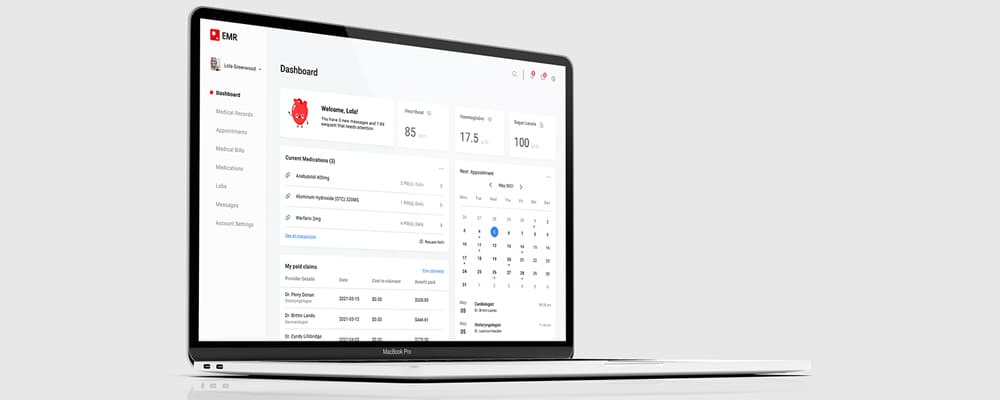
Custom EMR Software vs Off-the-Shelf: What Clinics Need to Know
Electronic Medical Records (EMR) software has become the digital backbone of modern healthcare practices. But when it comes to choosing the right solution, clinics often face a critical decision: Should you invest in custom EMR software, or go with an off-the-shelf solution?
Each option has its pros and cons. The wrong choice can cause workflow disruptions, compliance risks, and wasted budget. The right choice, on the other hand, can improve care delivery, streamline operations, and ensure long-term scalability.
Let’s explore the essential factors that can help your clinic make the best decision.
What Is Off-the-Shelf EMR Software?
Off-the-shelf EMR systems are pre-built platforms sold to multiple healthcare providers.
Examples include Athenahealth, Epic, and Kareo. These systems come with standard modules for:
- Patient registration
- Appointment scheduling
- Billing & insurance
- Clinical documentation
- E-prescribing
They’re designed for general medical workflows—but not necessarily your clinic’s specific needs.
What Is Custom EMR Software?
Custom EMR software is developed specifically for your clinic’s requirements. Whether you're a dermatology clinic, a fertility center, or a small group practice, custom EMRs are tailored to:
- Unique workflows
- Specific regulatory needs
- Your branding
- Legacy system integration
- Third-party lab or pharmacy systems
Custom EMRs are especially valuable for specialty practices and those seeking long-term control over their data and digital ecosystem.
Key Comparison: Custom vs Off-the-Shelf EMRs
| Feature | Off-the-Shelf EMR | Custom EMR Software |
|---|---|---|
| Setup Time | Fast (ready-made) | Longer (requires development) |
| Cost | Monthly subscription | One-time dev cost + maintenance |
| Customization | Limited | Fully tailored |
| Compliance Control | Vendor-dependent | You control HIPAA-compliance architecture |
| Scalability | May hit limits | Built to scale with your clinic |
| Ownership of Data/Code | Vendor-owned | You own it |
Compliance and Data Privacy
If your clinic handles sensitive patient data (which all do), HIPAA compliance is non-negotiable. While most off-the-shelf vendors claim compliance, the risk lies in:
- Shared hosting
- Inflexible security protocols
- Vendor lock-in
Custom EMR software can be developed with end-to-end HIPAA-compliant architecture, including:
- Secure cloud or on-premise hosting
- Role-based access controls
- Audit logs and activity tracking
- Data encryption at rest and in transit
You define how data is stored, accessed, and monitored—vital for audits and long-term trust.
Workflow Alignment
Every clinic operates differently. Pre-built EMRs force you to adapt your workflow to the software, rather than the other way around. This can:
- Slow down appointments
- Frustrate staff
- Lead to increased documentation errors
With a custom EMR, you define:
- Patient intake forms
- Documentation templates
- Referral systems
- Treatment plan workflows
- Automated alerts and reminders
This leads to more efficient care delivery, reduced friction, and better patient outcomes.
Integration With Third-Party Systems
Many clinics use specialized tools—lab systems, imaging platforms, payment processors, or CRMs. Off-the-shelf EMRs offer limited integrations and charge extra for new ones.
Custom EMRs can be built with:
- Open APIs for future integrations
- Direct sync with lab results and imaging centers
- Insurance clearinghouses and billing services
- Patient mobile apps or portals
This allows your clinic to operate as a connected digital unit—not a patchwork of disconnected tools.
Specialty Practice Support
Off-the-shelf platforms are often built for general practice. If you’re a:
- Mental health clinic
- Chiropractic center
- Pediatrics or gynecology practice
- Oncology or orthopedics provider
…you might struggle with limited templates, irrelevant modules, and poor diagnostic tracking.
A custom EMR for clinics can be designed specifically for your specialty, improving documentation speed, treatment accuracy, and reporting quality.
Reporting and Analytics
Modern clinics need real-time insights. While many off-the-shelf systems offer basic dashboards, they don’t always give granular control over:
- Treatment trends
- Patient visit patterns
- Insurance rejections
- Staff productivity
A custom EMR allows for tailored reports, built-in analytics, and predictive tools that align with your clinical KPIs.
Cost and ROI
Off-the-shelf EMRs often appear cheaper initially with monthly subscriptions. But consider:
- Licensing per user
- Extra fees for integrations
- Hidden data export costs
- Vendor-imposed feature limitations
Custom EMRs, while higher upfront, offer:
- Ownership (no licensing fees)
- Long-term cost stability
- Customization without added cost per change
- Improved ROI through workflow efficiency
Think of it as investing in infrastructure, not renting software.
Support and Maintenance
Vendor support for off-the-shelf systems is often slow, generalized, and ticket-based. When something goes wrong, you wait in line.
With a custom-built EMR, you often work directly with the EMR development services team. This ensures:
- Faster bug fixes
- Direct access to engineers
- Feature upgrades on request
- High accountability
This is especially important for clinics operating in critical care or 24/7 environments.
Patient Experience and Portals
Today’s patients expect more than just in-clinic care. They want:
- Easy appointment scheduling
- Secure messaging
- Access to health records
- Telehealth options
A custom EMR lets you build a branded patient portal or mobile app that matches your clinic’s tone, look, and values—strengthening trust and loyalty.
Final Thoughts
If your clinic is growing, has complex workflows, or wants full control over data and customization, a custom EMR solution is often the better long-term investment. While off-the-shelf systems may work for small, generic practices, they often hit scaling, security, and flexibility limits quickly.
Partner with an experienced EMR development services team that understands not only software—but healthcare. The result? A tailored, HIPAA-compliant EMR that improves patient outcomes, reduces staff burden, and grows with your practice.
Latest Posts




All Blog Categories
- Web
- Mobile App
- Graphics
- Digital Marketing
- Business
- Ecommerce
- Custom Software Development
- Cloud Services